

The MAXOUT Lawyer | May 15, 2026 | Personal Injury
Dog Bite Laws in Louisiana — Your Rights After an Attack
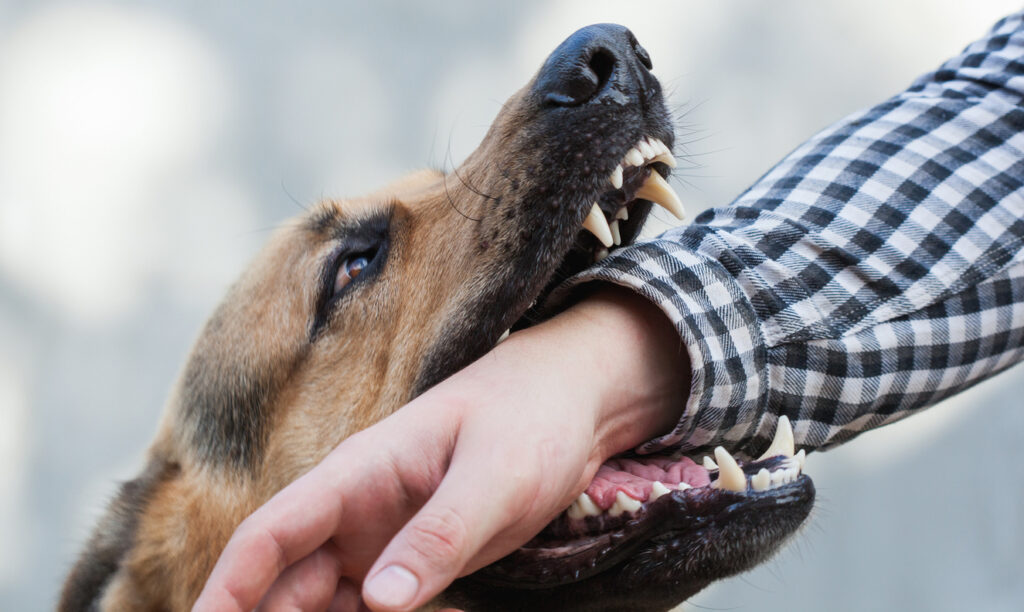
Dog attacks are one of the most underreported personal injury events in Louisiana — especially in rural parishes where dogs roam more freely and encounters are more common. People often feel awkward about making a claim against a neighbor or family member. They minimize the injury. They assume they can’t win.
The truth is that Louisiana’s dog bite law is among the stronger in the South for injured victims. If a dog attacked you, you have legal rights. And those rights don’t disappear because you feel sorry for the owner.
Louisiana’s Dog Bite Law — Civil Code Article 2321
Louisiana Civil Code Article 2321 governs liability for damage caused by animals. Under this provision, the owner of an animal is liable for the damage the animal causes — and importantly, the burden is on the owner to prove they were not negligent, not on you to prove they were.
In practical terms, this means:
- You do not have to prove the owner knew the dog was dangerous
- You do not have to prove the dog had bitten someone before (there is no ‘one free bite’ rule in Louisiana)
- The owner bears responsibility for their animal’s actions in most circumstances
There are defenses available to dog owners — particularly if you provoked the animal, were trespassing, or were warned and ignored the warning. But the baseline assumption under Louisiana law favors the injured person, not the dog owner.
What Counts as a ‘Bite’ — and What Else Is Covered
The law covers damage caused by animals broadly, not just bites. If a large dog knocked you down and you broke a hip, that’s covered. If a dog chased you and you fell running away, that may be covered. If a dog attack caused severe emotional trauma, that’s part of the claim.
Physical injuries from dog attacks include:
- Puncture wounds and lacerations from bites
- Infections — dog mouths carry bacteria and bites become infected at a high rate
- Nerve damage — particularly from deep bites on hands, feet, and face
- Scarring and disfigurement — especially relevant for facial injuries
- Broken bones from falls caused by the attack
- Psychological trauma, including PTSD and lasting fear of dogs
Children are disproportionately represented in serious dog bite injuries — particularly facial injuries — because they’re at eye level with larger dogs and may not recognize warning signs.
Who Is Liable — It’s Not Always Just the Owner
In most cases, the dog’s owner is the responsible party. But liability can extend further:
- Landlords who knew a tenant kept a dangerous dog on the property and failed to act may share liability.
- Property owners who permitted a dangerous animal to be kept on their premises.
- Caretakers or dog sitters who had custody and control of the dog at the time of the attack.
- Parents of minor dog owners in some circumstances.
Identifying all responsible parties matters, particularly when the dog owner has limited insurance or assets.
Homeowner’s and Renter’s Insurance — Where the Money Comes From
Most dog bite claims are paid through the dog owner’s homeowner’s insurance or renter’s insurance policy. Most standard policies cover dog bite liability, though some exclude specific breeds or dogs with known bite histories.
This is important because it means there is often insurance coverage available that the dog owner may not even be aware of — and that the owner doesn’t have to pay out of pocket. In our experience, most dog owners genuinely feel terrible about what their animal did. Getting them involved doesn’t always mean financial ruin for them; it means accessing coverage that exists for exactly this purpose.
What to Do After a Dog Attack
- Get medical care immediately. Dog bites are highly prone to infection. Get the wound cleaned and assessed professionally, even if it looks minor. Rabies protocol may also be required depending on the dog’s vaccination status.
- Identify the dog and owner. Get the owner’s name, address, and contact information. Find out if the dog is current on rabies vaccinations.
- Report the attack. File a report with Vernon Parish Animal Control, Beauregard Parish Animal Control, or your local municipal authority. This creates an official record and may trigger an investigation into whether the animal is a danger to the community.
- Document your injuries thoroughly. Photograph wounds immediately and every day for the first two weeks. Bite wounds often look worse on days 2 through 5 as swelling and bruising develop.
- Keep records of all medical treatment. Every doctor visit, prescription, and follow-up appointment.
- Write down what happened while it’s fresh. Where you were, what the dog was doing, what the owner was doing, whether there were warning signs posted, whether the dog was leashed or confined.
Comparative Fault and Dog Bite Cases
Louisiana’s comparative fault rules apply to dog bite cases. If you were provoking the dog, trespassing, or ignoring a clear warning, your recovery may be reduced by your percentage of fault. This doesn’t automatically eliminate your claim — but it’s a factor the defense will raise.
The most common defense is provocation. If you were playing roughly with the dog, reached into the dog’s space aggressively, or surprised it, the defense will argue you contributed to the attack. We address these arguments directly with evidence — witness accounts, veterinary records, and the specific facts of what happened.
The Prescriptive Period for Dog Bite Claims
Dog bite claims follow the standard personal injury prescriptive period: one year for injuries before July 1, 2024, and two years for injuries on or after that date. The clock starts on the date of the attack.
Don’t let it pass without at least getting a free evaluation of your claim.
Hurt by a dog in Louisiana? Get a straight answer about your options.
Leesville: (337) 239-6292 | DeRidder: (337) 239-0777 | Toll-free: (888) MAXOUT-1
Free consultation. We’ll tell you whether you have a claim and what it may be worth. No fee unless we recover for you.