

The MAXOUT Lawyer | June 12, 2026 | Personal Injury
How Long Do You Have to File a Personal Injury Claim in Louisiana?
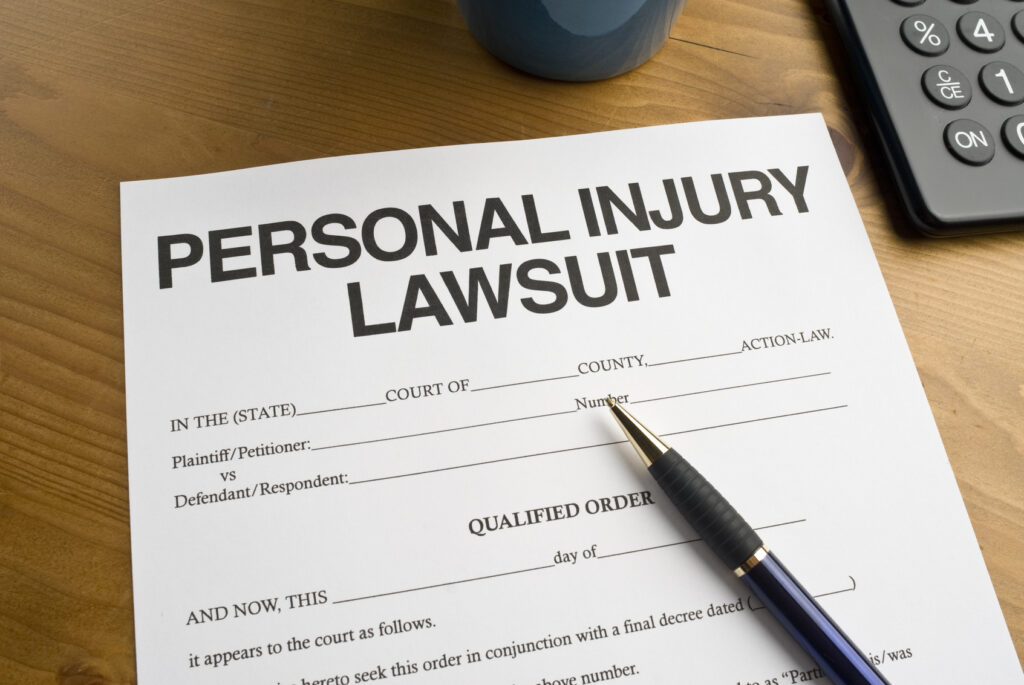
If you’ve been hurt in an accident in Louisiana — a car wreck, a slip and fall, a truck collision, anything — the single most important thing you need to understand right now is this: you have a deadline. Miss it, and it doesn’t matter how badly you were hurt or how clear the other driver’s fault was. Your right to recover is gone. Permanently.
That deadline is called the prescriptive period. And Louisiana recently changed it.
If you’ve read something online saying you only have one year, or if someone told you that after your accident — keep reading. The law is different now depending on when your injury happened, and getting this wrong could cost you everything.
We’re going to walk through exactly what the law says, what changed, what it means for your situation, and what you should do right now. No legal jargon. Just straight answers.
Louisiana Changed the Deadline in 2024 — Here’s the New Rule
For most of Louisiana’s legal history, injury victims had just one year to file a personal injury lawsuit. That made Louisiana one of the toughest states in the country for injured people — especially in rural areas like Vernon and Beauregard parishes, where folks often don’t know they need a lawyer until weeks or months after a wreck.
In 2024, the Louisiana legislature changed that. Here’s where things stand today:
| Injury Date | Deadline to File |
| Before July 1, 2024 | 1 year from the date of injury |
| July 1, 2024 or later | 2 years from the date of injury |
The dividing line is July 1, 2024. Injured on or after that date? You have two years from the date of your injury to file suit. Injured before July 1, 2024? The old one-year rule still governs your case — and depending on when your accident happened, that clock may be running out right now.
| ⚠ If your accident was before July 1, 2024. The one-year deadline may have already passed — or may be coming up soon. Do not assume it’s too late without talking to an attorney first. There are exceptions that can toll (pause) the clock in certain situations. But you need to find out now, not next month. |
What Is a Prescriptive Period — and Why Does It Matter So Much?
Most states call this the statute of limitations. Louisiana uses the term prescriptive period — same concept, different name. It’s the legal time limit you have to take action after you’re injured.
Once it expires, the at-fault party’s insurance company can point to the calendar and walk away. They don’t have to negotiate. They don’t have to offer a single dollar. The court will dismiss your case without even looking at the merits. It doesn’t matter how serious your injuries are, how obvious the other person’s fault is, or how much you’ve suffered.
The reason Louisiana historically had such a short deadline — one year — traces back to the state’s civil law heritage, which is rooted in French and Spanish legal tradition rather than the English common law that the other 49 states follow. The 2024 change was a recognition that one year simply wasn’t giving injury victims a fair shot.
Two years is meaningfully better. But it still disappears faster than you think.
When Does the Clock Start — And When Does It Not?
In most personal injury cases, the prescriptive period starts running on the date of the accident. But several situations can change that calculation, and getting it wrong in either direction can hurt your case.
The Discovery Rule
Some injuries don’t show up right away. Soft tissue damage, traumatic brain injuries, herniated discs, and injuries from toxic exposure can take days, weeks, or even months to fully present. In those cases, Louisiana courts may apply the discovery rule, which starts the clock from the date you knew — or reasonably should have known — that you were injured and that someone else was responsible.
This isn’t a guaranteed extension. It’s a legal argument that has to be made. If you’re in this situation, the worst thing you can do is assume you still have time. Talk to an attorney and get a real answer.
Injuries to Minors
If the injured person is under 18, the prescriptive period generally doesn’t begin until they turn 18. Under the new two-year rule, a child hurt in an accident after July 1, 2024 would have until their 20th birthday to file. This is an important protection for families — but the rules around minors’ claims can get complicated, particularly when parents are also making claims arising from the same incident.
Claims Against a Government Entity
This is where people get blindsided. If your accident involved a government vehicle, a poorly maintained road, a government building, or any other government entity — local, state, or federal — the rules are completely different and the deadlines are far shorter. In many cases, you’re required to file a formal notice of claim within 90 days of the accident. Missing that step can end your case before the regular prescriptive period even comes into play.
This applies to things like: accidents involving city or parish vehicles, injuries at government-owned facilities, and road defects maintained by DOTD. If a government entity is involved in any way, don’t wait. Call us immediately.
Wrongful Death Claims
If someone died as a result of another person’s negligence, the wrongful death claim has its own deadline — generally one year from the date of death. That’s separate from the prescriptive period for any personal injury claim that may have existed before the person died. Wrongful death claims also have specific rules about which family members can bring the claim and in what order. These cases are extremely time-sensitive.
Why Waiting Is a Mistake — Even With Two Years on the Clock
Two years sounds like plenty of time. In practice, it isn’t — not when you’re injured, not when you’re dealing with insurance adjusters, and not when evidence is quietly disappearing in the background.
Here’s what gets harder — or impossible — the longer you wait:
- Evidence disappears. Skid marks fade. Surveillance footage gets deleted or overwritten — often within 30 days. Vehicles get repaired. Road conditions change. The physical record of what happened evaporates fast.
- Witnesses become unreachable. People move, change numbers, and forget details. A clear witness statement taken one week after an accident is worth far more than one taken a year later.
- Medical records are harder to connect. Insurance companies routinely argue that your injuries aren’t related to the accident — especially if there’s a gap between the accident and when you first sought treatment. The longer you wait to see a doctor, the easier that argument becomes for them.
- Insurance adjusters use time against you deliberately. This isn’t accidental. Adjusters are trained to keep claimants engaged — staying friendly, making small gestures, promising progress — until the deadline passes. Then they stop responding. Max Antony spent years on the other side of this. He’s seen it happen too many times to count.
Getting an attorney involved early doesn’t mean you have to immediately file a lawsuit. It means someone is preserving evidence, tracking your deadline, and making sure the insurance company knows you’re not going away. That one fact alone changes how your claim is handled.
What Insurance Companies Won’t Tell You
After an accident, the other driver’s insurance company is going to call you. They’ll be friendly. They’ll express concern. They may offer a quick settlement.
What they won’t tell you:
- They know exactly how much time is left on your deadline.
- A quick settlement offer almost always means your case is worth significantly more than they’re offering.
- Anything you say in a recorded statement can and will be used to reduce or deny your claim.
- You are not required to give them a recorded statement — and you shouldn’t.
The prescriptive period keeps running whether you’re in active negotiations or not. There is no pause button. There is no good-faith exception. The calendar doesn’t care that you were waiting on a call back from an adjuster.
The single most effective thing you can do after an accident in Louisiana is talk to an attorney before you talk to the other side’s insurance company. It costs nothing. It changes everything
Other Claim Types With Different Deadlines
The two-year rule applies to most standard personal injury claims. But Louisiana law has a number of situations with different deadlines — and some of them are shorter, not longer.
Medical Malpractice
Medical malpractice cases in Louisiana are governed by the Louisiana Medical Malpractice Act. Before you can even file suit, you’re required to go through a medical review panel process. These cases have their own prescriptive periods and procedural requirements that are separate from general personal injury law. If you think medical negligence caused or worsened your injury, get a lawyer involved as early as possible.
Product Liability
If your injury was caused by a defective product, the standard prescriptive period applies, but there is also a separate peremptive period — a hard cutoff that cannot be extended by any discovery rule or other exception. These cases require early evaluation to make sure all available claims are identified and preserved.
Workers’ Compensation
Work-related injuries have their own reporting deadlines and a separate workers’ compensation claim process. In some cases, you may also have a third-party personal injury claim against someone other than your employer. These are different claims with different deadlines, and both may be available to you simultaneously.
| The key point on special cases: If your situation involves anything other than a straightforward accident between private parties — a government vehicle, a workplace injury, a defective product, a death, medical treatment that made things worse — the rules may be different from what you’ve read or heard. Don’t assume. Ask. |
What to Do Right Now
Whether your accident was last week or last year, here’s what matters:
- Know your date. The clock typically started on the day of your accident. Count forward — one year for pre-July 2024 injuries, two years for July 2024 and later. That’s your hard deadline.
- Get medical attention and follow through. See a doctor. Follow your treatment plan. Gaps in treatment are one of the most common ways insurance companies reduce settlement values.
- Don’t give a recorded statement. Not to the other driver’s insurance company. Not without talking to a lawyer first.
- Don’t accept the first offer. Early settlement offers are almost always below the actual value of your case. Once you sign, you cannot go back.
- Call us. A case evaluation is free. We’ll tell you exactly where your deadline stands, what your case is worth, and what your options are. No pressure. No obligation. Just straight answers.
The Bottom Line
Louisiana’s personal injury deadline changed in 2024. Two years for injuries on or after July 1, 2024. One year — still — for injuries before that date.
Two years is better than one. But we’ve seen people lose strong cases by waiting too long, assuming they had time, or trusting the insurance company to do the right thing. The clock doesn’t pause because you’re hurting. It doesn’t pause because negotiations are ongoing. It doesn’t pause for anything.
At MAXOUT Injury Lawyers, we serve clients throughout West Central Louisiana and East Texas — Leesville, DeRidder, Fort Polk, Many, and everywhere in between. We work on contingency, which means you pay nothing unless we win your case. The consultation is free. The only thing that costs you is waiting.
Call MAXOUT Injury Lawyers Today
Leesville: (337) 239-6292
DeRidder: (337) 239-0777
Toll-Free: (888) MAXOUT-1
Or request a free case evaluation at maxoutlawyer.com. We’ll get back to you fast — and we’ll give you real answers.