

The MAXOUT Lawyer | April 10, 2026 | Motorcycle Accidents
Motorcycle Accident in Louisiana? Here’s What to Do Next
Motorcycle accidents are different from car accidents. The injuries are worse. The bias against riders is real. And the mistakes people make in the hours and days after a crash can seriously damage a claim that should have been a strong one.
If you or someone you love was hurt in a motorcycle wreck in Louisiana — whether it happened on Highway 171, Highway 190, a two-lane parish road, or anywhere in between — this is what you need to know right now.
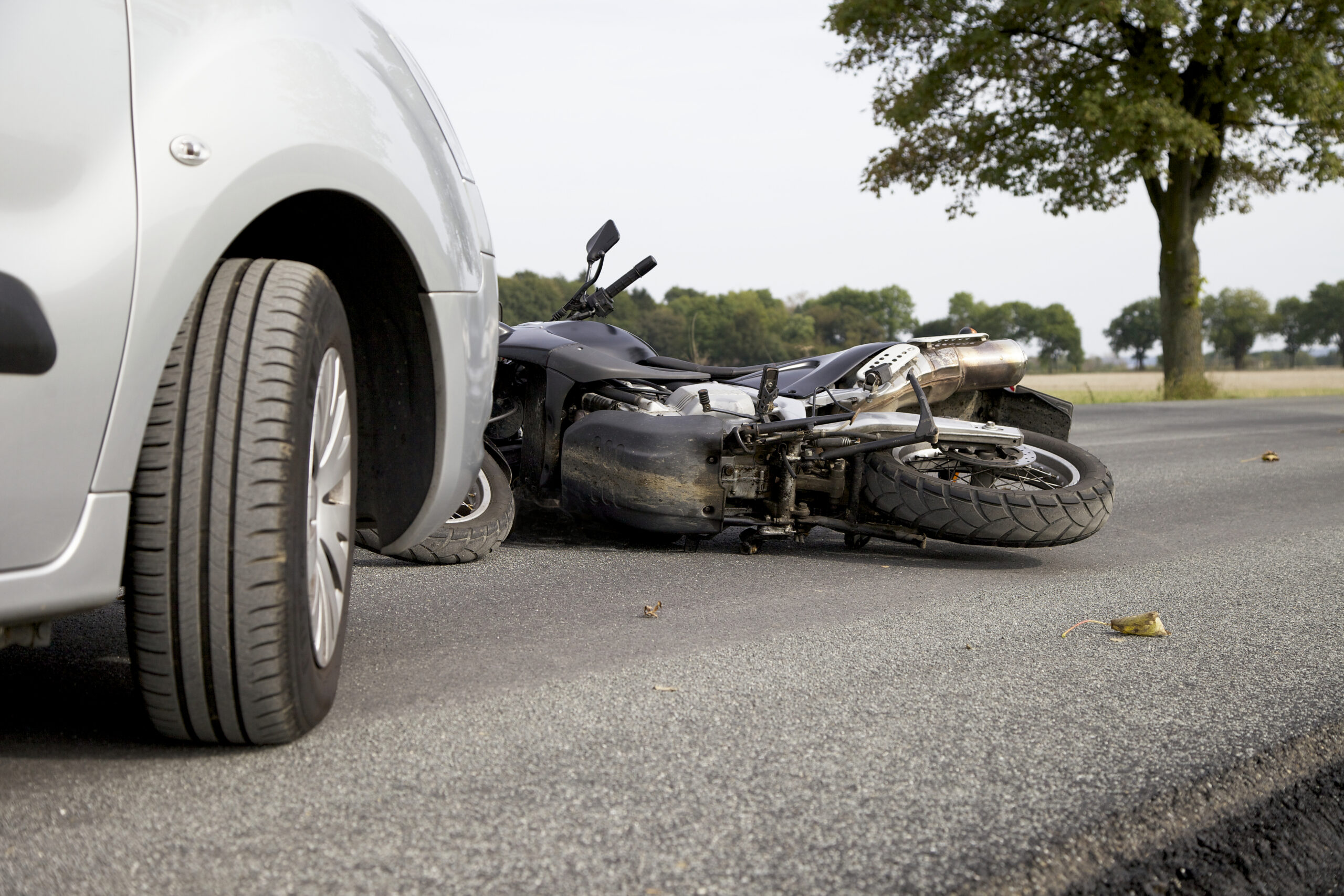
First: Get Safe and Get Medical Care
If you are conscious and able to move, get out of the roadway. Louisiana roads don’t wait for accident scenes to clear, and secondary collisions after a motorcycle crash are a real danger.
Then get medical attention — even if you think you’re fine. This is not optional, and it’s not just about your health. Adrenaline after a crash masks pain. Soft tissue injuries, traumatic brain injuries, and internal injuries frequently don’t present symptoms until hours or days later. If you walk away from the scene without being evaluated and symptoms appear the next morning, the insurance company will argue your injuries happened somewhere else.
Go to the emergency room. See your doctor. Follow up on every referral. The medical record you build in the days after your crash is the foundation of your entire claim.
What to Do at the Scene — If You’re Able
If you’re physically capable, take these steps before you leave the scene:
• Call 911. You want a police report. Even in minor crashes, get law enforcement there. A report documents the facts before anyone has a chance to change their story.
• Photograph everything. Your bike, the other vehicle, road conditions, skid marks, debris, traffic signs, your gear, and your injuries. Take more photos than you think you need. Video if possible.
• Get the other driver’s information. Name, license, insurance, license plate, vehicle make and model.
• Talk to witnesses. Get names and phone numbers of anyone who saw what happened. Witnesses who support your account are valuable — but only if you have their contact information.
• Don’t apologize or admit fault. Even a casual ‘I’m sorry’ at the scene can be twisted into an admission of liability. Say as little as possible to the other driver.
The Bias Problem — and How to Fight It
Let’s be honest about something most attorneys won’t say out loud: Louisiana juries and insurance adjusters can be skeptical of motorcycle riders. There’s a widespread assumption that riders are reckless — that if you’re on a bike and you got hurt, you were probably doing something you shouldn’t have been.
That bias is unfair. It’s often wrong. And it’s something we deal with directly in how we build motorcycle cases.
What combats it: a clean, well-documented case that tells the story clearly. Your medical records, the police report, witness statements, accident reconstruction if needed, and evidence of the other driver’s fault. The stronger the documentation, the less room there is for bias to take over.
What makes it worse: gaps in medical treatment, any prior traffic violations the defense can find, social media posts of you riding, and any statement you made to the other side’s insurance company without legal advice.
Louisiana Law and Motorcycle Accidents
Helmet Laws
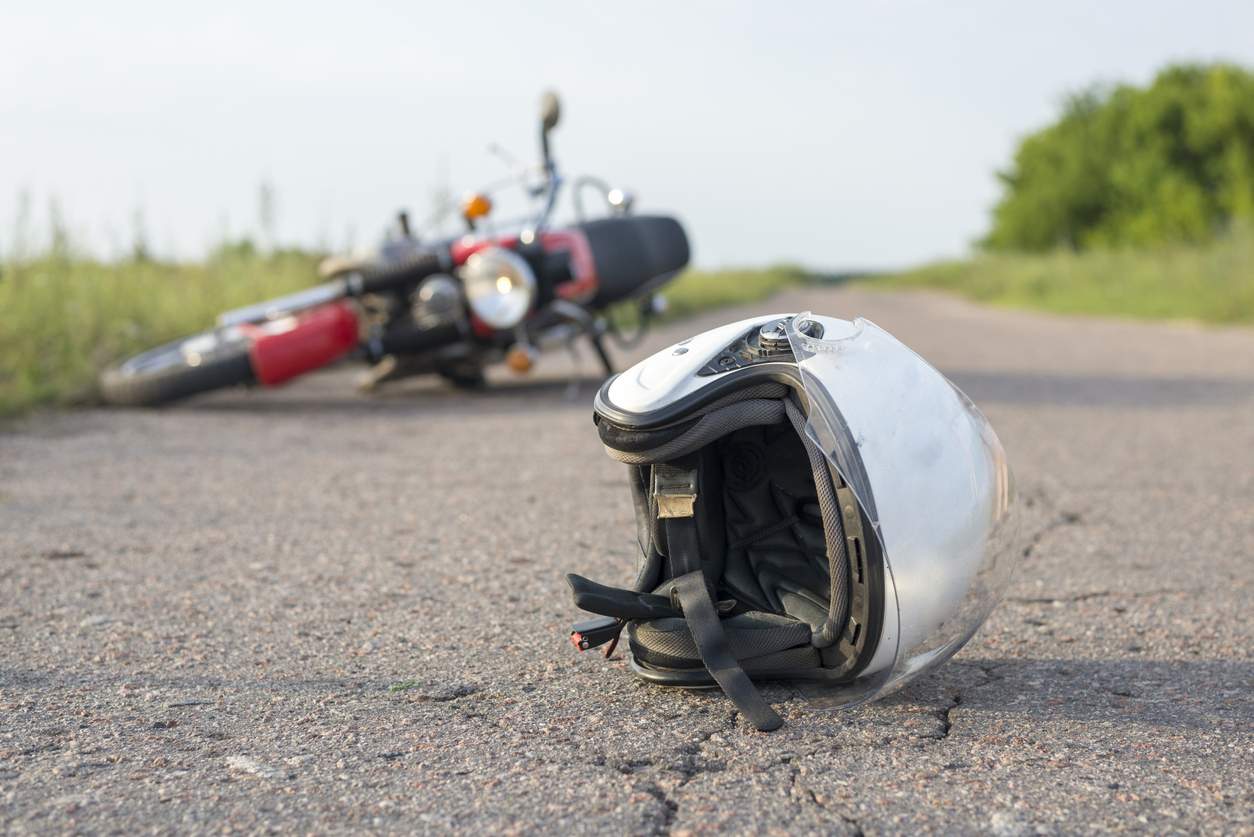
Louisiana requires all motorcycle riders and passengers to wear helmets. If you were not wearing a helmet at the time of your crash, the insurance company will argue that your head or neck injuries were worsened by that choice — and under Louisiana’s comparative fault rules, your recovery could be reduced.
This does not mean you have no case. It means we need to address it directly and make sure fault is properly assigned to the driver who caused the crash, not shifted onto you for your equipment choices.
Comparative Fault
Louisiana follows a pure comparative fault system. Even if you were partially at fault for the accident — say, you were speeding slightly — you can still recover compensation. Your award is reduced by your percentage of fault, but it is not eliminated. Insurance companies will try to inflate your fault percentage to reduce what they owe. We push back on that.
Uninsured Motorists
Louisiana has a significant number of uninsured drivers on the road. If the driver who hit you didn’t have insurance — or didn’t have enough — your own UM/UIM coverage may be the primary source of recovery. This is why we always tell riders to carry robust uninsured motorist coverage. If you’re not sure what you have, pull out your declarations page and look. We can help you read it.
What Your Claim Can Cover
A successful motorcycle accident claim in Louisiana can recover compensation for:
• Medical expenses — past and future, including surgery, physical therapy, and ongoing care
• Lost wages and lost earning capacity if your injuries affect your ability to work
• Pain and suffering — the physical and emotional impact of the crash and recovery
• Property damage — your bike, gear, helmet, and anything else damaged in the crash
• Permanent disability or disfigurement if your injuries have lasting consequences
The value of your case depends on the severity of your injuries, how clearly fault can be established, and the available insurance coverage. We’ll give you an honest assessment — not a number designed to get you in the door.
What to Avoid After a Motorcycle Crash
• Don’t give a recorded statement to the other driver’s insurance company. They will use it against you.
• Don’t post about the accident on social media. Photos of you at a crawfish boil two weeks after a crash claiming back injuries will be used in litigation.
• Don’t settle fast. Quick offers almost always come before the full extent of your injuries is known. Once you sign, you cannot reopen the claim.
• Don’t wait. Louisiana’s prescriptive period gives you two years (for post-July 2024 accidents) — but evidence disappears fast and the clock never pauses.
MAXOUT Rides for the Rider
We handle motorcycle accident cases throughout West Central Louisiana and East Texas. We know these roads, we know the insurance companies that operate in this region, and we know how to build a case that doesn’t let bias or bad documentation stand in the way of what you’re owed.